When Is the Best Time to Replace Old Dental Crowns?

A dental crown can look solid and feel fine long after it has started to fail. That is one reason this question comes up so often in practice. People assume crowns last forever because they are made from hard materials and because the tooth stopped hurting years ago. Then a routine exam or a cracked piece of porcelain changes the picture overnight.
The best time to replace an old crown is usually before it creates a bigger problem. That sounds obvious, but real life is messier than that. Some crowns should be replaced the moment they show leakage, decay, a fracture, or a poor fit. Others can stay in service for years with careful monitoring. The decision is rarely based on age alone. It depends on what the crown is made of, how it fits, what is happening under it, and what kind of forces it has been taking every day.
Many patients are surprised to hear that an old crown may still be functional at 15 or even 20 years, while another needs replacement at 5. I have seen both. A well-made crown on a patient with excellent home care and a stable bite can age beautifully. A newer crown on a heavy grinder or on a tooth with recurrent decay around the margin can fail much sooner.
Crowns are durable, not permanent
Dental crowns are one of the most reliable restorations in dentistry, but “reliable” is not the same as “permanent.” Most dentists talk about crown longevity in ranges rather than guarantees. A common working expectation is roughly 10 to 15 years, sometimes longer, sometimes noticeably shorter. That range exists because the crown itself is only part of the story. The cement, the underlying tooth, the gumline, and the bite all matter.
A crown may fail in a few different ways. The visible material can chip, crack, or wear down. The seal at the edge can break down and allow bacteria underneath. The cement can wash out gradually. The tooth under the crown can develop decay, especially where the crown meets the natural tooth. A root canal treated tooth can also fracture at the root level, even if the crown above it still looks acceptable from the outside.
This is why dentists do not judge an aging crown by appearance alone. A crown that looks presentable in the mirror may have a dark margin, an open edge, or soft decay hidden beneath the gumline. On the other hand, a crown with a slightly dull or older look may still be fitting well and protecting the tooth effectively.
The best timing is often preventive, not reactive
If a crown has already broken in half, fallen off repeatedly, or allowed enough leakage to create decay deep near the nerve, replacement is no longer a simple maintenance decision. It becomes damage control. The better window is earlier, when the crown is still restorable and the tooth underneath is not yet compromised.
That preventive window often opens when a dentist notices one of several subtle changes during an exam. The margin may catch an explorer. An X ray may show a suspicious shadow at the edge of the crown. The bite marks may suggest concentrated stress on one cusp. The gum tissue around the crown may stay inflamed despite good cleaning. None of those findings alone means immediate disaster, but together they suggest the crown is entering the stage where replacement will probably be safer and simpler than waiting.
Patients sometimes worry that dentists recommend replacing crowns too early. That concern is understandable. Good dentistry should conserve what is working. No one benefits from removing a serviceable restoration just because it has reached a certain birthday. The key question is not “How old is this crown?” but “What is the risk of keeping it one more year?”
Signs that an old crown is reaching the end of its life
Some signs are obvious. Others are quiet enough that people miss them for months.
Pain when biting is one of the more important warnings. If a crowned tooth hurts when pressure is released, or if it feels sore in a sharp, pinpoint way, the cause may be a crack in the tooth, a high bite, cement failure, or decay at the margin. Sensitivity to cold on a crowned tooth can also matter, especially if the tooth was never root canal treated. A little occasional awareness is different from a consistent, repeatable response that lingers.
Floss that shreds or snaps at the edge of a crown is another useful clue. Patients often report this casually, as if the floss is at fault. In reality, floss catching at the margin can indicate roughness, overhang, a chipped edge, or a gap opening between crown and tooth.
Changes in appearance matter too, though not every cosmetic issue is a health issue. A gray line at the gumline may simply reflect an older porcelain fused to metal crown, especially if the gum has receded. But a dark Dental Crowns or stained margin can also signal leakage. Swelling, bleeding, or a persistent bad taste around one crown raises more concern than discoloration alone.
Here are five findings that deserve prompt evaluation:
- Pain with chewing, temperature sensitivity, or unexplained throbbing in a crowned tooth.
- A visible crack, chip, loose feeling, or a crown that has come off more than once.
- Recurrent decay, especially seen on X ray or detected at the edge of the crown.
- Bleeding, swelling, or chronic irritation in the gum tissue around that tooth.
- Floss catching, food trapping, or a bite that suddenly feels “off” around the crown.
Not every one of these signs means replacement is unavoidable. Sometimes the issue is cement, contour, or bite adjustment. Still, old crowns rarely improve on their own. Waiting to “see if it settles” can turn a small repair into a root canal, a build-up, or an extraction.
Age matters, but context matters more
Patients love a simple number. They want to know whether a crown should be replaced at 10 years, 12 years, or 15 years. Dentistry rarely works that neatly.
A 12-year-old crown on a molar in a patient who clenches at night is under a very different load than a 12-year-old crown on a front tooth in someone with a calm bite. A crown on a lower molar that supports a bridge or opposes natural enamel may wear differently from a crown on an upper premolar with less chewing pressure. Material also changes the equation. Full metal crowns often survive heavy function well, even if they are not cosmetically popular. Layered porcelain can chip. Zirconia is strong, though not immune to complications. Older crown materials may be more likely to show wear or fit issues simply because techniques and cements have improved over time.
The condition of the underlying tooth is often the real deciding factor. If the tooth had very little healthy structure left when the crown was placed, there is less margin for error years later. If the tooth had a large old filling, a root canal, or a crack before crowning, its long-term vulnerability is higher. Replacing the crown in a timely way may help preserve the tooth, but only if there is enough sound tooth left to rebuild.
When replacement should not be delayed
Some cases call for action sooner rather than later. Deep decay under a crown is one. Once bacteria get under the margin and start progressing toward the nerve or below the gumline, the treatment becomes more complex by the month. What could have been a straightforward crown replacement may turn into a root canal, crown lengthening, or the discovery that the tooth is no longer restorable.
A cracked crown is another situation where timing matters. Small porcelain chips can sometimes be polished or repaired, but cracks in the crown or in the tooth underneath can propagate with chewing. Patients often say, “It only hurts on nuts” or “only when I chew on that side.” That limited symptom window can close quickly if the crack deepens.
A loose crown also deserves quick attention, even if it is not painful. Once a crown moves, bacteria and saliva can seep underneath. If the crown has come off intact and the tooth structure remains healthy, recementation may be possible. If it has loosened because decay has changed the tooth shape underneath, the crown may no longer fit properly and replacement becomes the more realistic path.
Then there are bite-related emergencies. A crown that has worn down or shifted the bite can contribute to jaw soreness, cheek biting, fractures in opposing teeth, and headaches from clenching. Not every bite issue is urgent, but a crown that changes how the teeth meet should be checked before collateral damage shows up elsewhere.
When it may be reasonable to monitor
Not every old crown needs to be replaced the moment it looks old. That distinction matters, especially for patients trying to avoid unnecessary treatment or to sequence care over time.
A crown with minor cosmetic wear, slight gum recession, or an older shade mismatch may still be biologically and mechanically sound. If the margins are closed, the X rays are clean, the gums are stable, and the patient has no symptoms, monitoring is often appropriate. The same goes for older crowns in patients with significant medical, financial, or scheduling constraints, provided the risks are clearly understood and the follow-up is consistent.
Monitoring is not passive neglect. It means repeated evaluation with a reasoned threshold for intervention. That can include periodic bite checks, photographs, X rays, and conversations about what changes would trigger replacement. Good monitoring buys time when time is useful. It becomes risky when it is really avoidance dressed up as patience.
The exam that guides the decision
When a dentist evaluates an old crown, several things happen at once. First comes the patient’s history. Has the tooth been sensitive? Has the crown ever come off? Has there been recent grinding, new stress, or a change in bite? Those details often tell more than the crown’s age.
The visual exam looks for fractures, wear, margin quality, gum response, and how the crown contacts neighboring and opposing teeth. Flossing the contacts can reveal roughness or open areas. Tapping, bite tests, and temperature tests may be used depending on the symptoms and whether the tooth is still vital.
X rays help, though they do have limits. Recurrent decay can hide, especially on certain surfaces or under opaque materials. Still, radiographs are useful for checking the crown margins that can be seen, the health of the root, the bone level, and any changes around a root canal treated tooth.
Sometimes the only way to know the full story is to remove the crown. This is particularly true when symptoms suggest hidden decay or fracture, but the outside view remains inconclusive. Patients can find that frustrating because it means committing to treatment before every detail is visible. Yet experienced dentists know that the final diagnosis under an old crown is often more revealing than the preliminary one.
What happens when an old crown is replaced
Replacing a crown is not always just “taking the old one off and putting on a new one.” Sometimes it is that simple. Often, there is additional work involved.
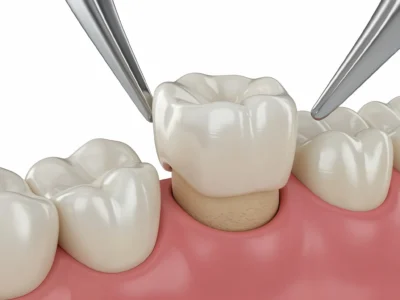
Once the old crown is removed, the tooth may need a new core build-up if old restorative material has deteriorated. Decay may need to be cleaned out. A root canal may be recommended if the pulp is inflamed or exposed. In some cases the tooth turns out to have a crack that runs too deep, which changes the prognosis entirely. This is one reason dentists are careful not to overpromise before the crown is off.
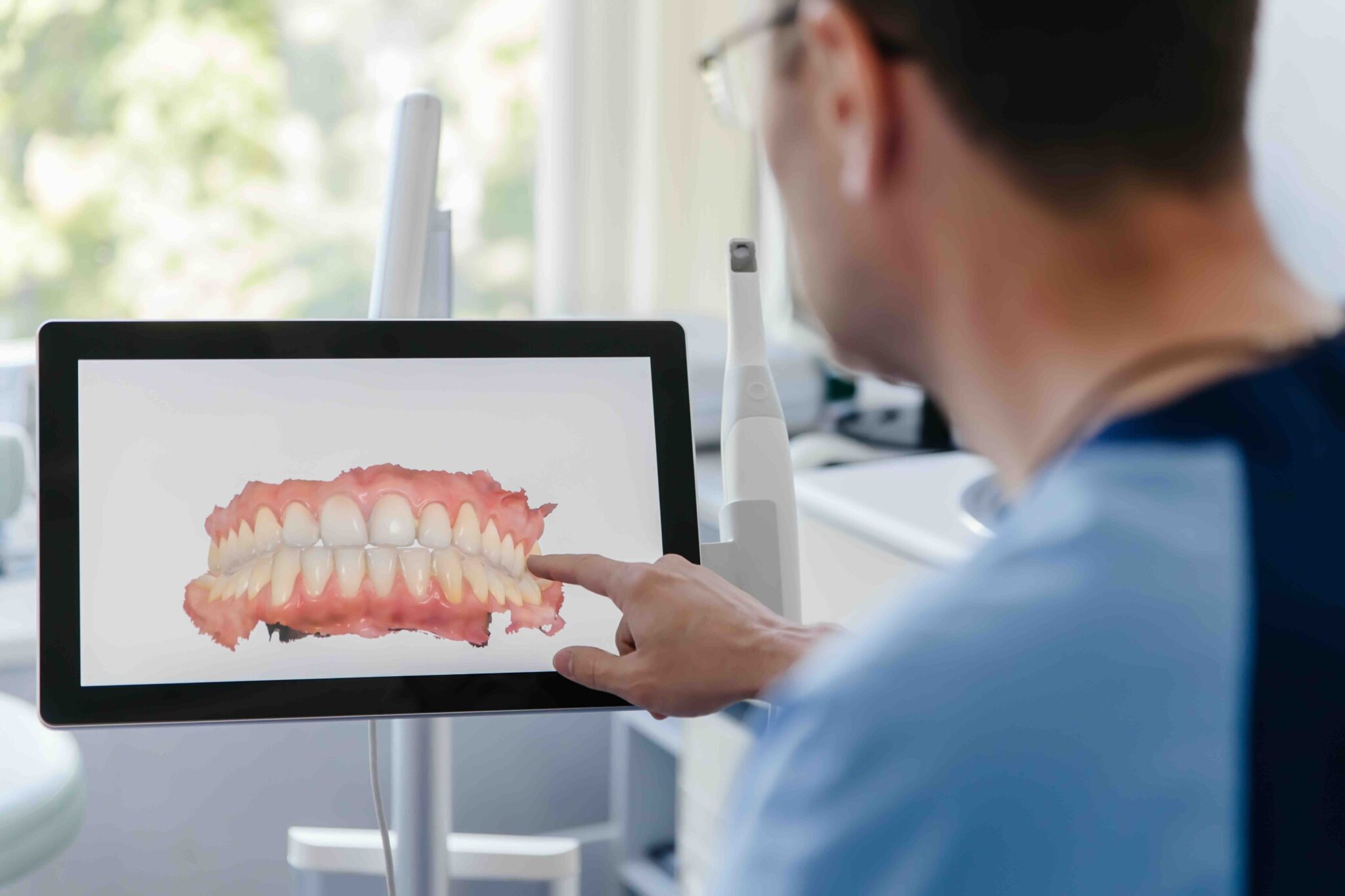
If the tooth is healthy enough to proceed, the dentist reshapes it as needed, takes an impression or digital scan, and places a temporary crown if the final one is being fabricated in a lab. The new crown is then tried in, adjusted for fit and bite, and cemented. When the process is done well, patients often notice that the new crown feels less “thick,” traps less food, and irritates the gum much less than the old one.
Special cases that change the timing
Crowns on front teeth often get replaced earlier for cosmetic reasons than molar crowns do for functional reasons. Gum recession can expose the margin, create a dark line, or make a once-good match look flat and artificial. If the tooth is otherwise healthy, replacement may be elective rather than urgent. Even so, aesthetic changes can be significant enough to affect confidence and speech habits, which makes them more than vanity concerns.
Root canal treated teeth deserve careful follow-up because they do not always give the same pain signals as vital teeth. A crowned tooth that had a root canal years ago may develop a vertical root fracture with surprisingly few symptoms at first. Mild pressure sensitivity, isolated deep gum pockets, or a small recurring gum pimple near the tooth can be early clues.
Patients with heavy bruxism are another category where timing shifts. In those cases, crowns can survive, but the margin for error is smaller. If a night guard has not been worn, or if multiple crowns show chipping and wear, proactive replacement of a compromised crown may prevent a more destructive failure later.
How patients can tell the difference between “old” and “failing”
This question comes up at home, usually in front of a bathroom mirror. People see an older crown that does not match perfectly and wonder if it is failing. Others feel no symptoms at all and assume everything is fine because the crown Dental Crowns looks unchanged.
A crown is simply old when it shows normal wear, remains firmly attached, keeps the gum healthy, and seals the tooth well. A crown is failing when one of those jobs is no longer being done reliably. Because the seal is invisible to the patient, regular exams matter. That said, patients often notice the practical signs first, food packing, floss shredding, tenderness while chewing, a rough edge, or a sense that one tooth is carrying too much pressure.
It helps to think of crowns the way people think of roofs. A roof does not need replacement because it is no longer shiny. It needs replacement when it starts leaking, lifting, or no longer protecting the structure beneath it. Dental crowns work much the same way.
Questions worth asking before you replace one
Patients make better decisions when they understand the “why” behind the recommendation. If a dentist suggests replacing an old crown, it is reasonable to ask what problem is being seen now, what risk comes with waiting, and whether the underlying tooth is expected to be straightforward or uncertain once the crown is removed.
This discussion is especially useful when the crown is not causing pain. A patient may hear “replace” and assume the issue is optional or cosmetic, when in fact the dentist is worried about a margin opening on the back side. Clear explanations turn a vague recommendation into a practical one.
Here are a few sensible questions to ask during that conversation:
- What specific sign tells you this crown is failing, fit, decay, crack, or bite?
- If I wait six to twelve months, what is the most likely downside?
- Is there a chance the tooth will need a build-up, root canal, or other treatment once the crown is off?
- Are there material options for the new crown that make more sense for this tooth?
- If we monitor instead, what changes would mean I should act sooner?
Those questions do not challenge the dentist’s judgment. They sharpen it and help align the plan with the patient’s priorities.
How to help the next crown last longer
The life of a crown depends on the day-to-day environment around it. Plaque sitting at the margin is a major reason crowns fail early, especially near the gumline. Careful brushing and flossing matter as much around crowns as around natural teeth, and arguably more, because the crown margin is a known weak point.
Night grinding is another major factor. A properly fitted night guard can extend the life of both natural teeth and dental crowns, especially on molars. Bite problems should not be ignored just because nothing hurts yet. Small imbalances create repeated stress, and repeated stress is what turns a strong restoration into a cracked one.
Routine exams are where many crown problems are caught while they are still manageable. Patients sometimes skip visits because a crowned tooth “was already fixed.” Ironically, restored teeth often deserve closer observation, not less. A small area of recurrent decay found early can preserve a tooth. The same decay found late can end the whole restoration cycle.
The short answer
The best time to replace an old crown is when there is evidence that it is no longer protecting the tooth predictably, and before that failure causes deeper damage. That may be at seven years, fifteen years, or well beyond, depending on the crown, the tooth, and the forces it lives under.
If a crown is painful, loose, cracked, decayed at the margin, or chronically irritating the gum, waiting rarely helps. If it is simply old but stable, replacement may not be necessary yet. The most practical approach is not to watch the calendar. It is to watch the fit, the seal, the bite, and the tooth underneath. That is what ultimately determines whether an old crown still deserves its place.
Simple Dental Vermont
Address: 8914 S Vermont Ave, Los Angeles, CA 90044
Phone number: +13239493000
FAQ About Dental Crowns
How much do crowns cost per tooth?
In the United States, a single dental crown typically costs between $800 and $2,500 per tooth without insurance. The ultimate out-of-pocket price depends heavily on the crown material, the location of the tooth, and whether you have dental insurance coverage.
What is the downside of crowns on teeth?
The primary downside of a dental crown is that the procedure permanently removes natural tooth enamel to shape the tooth for the cap.
Why do dentists push for crowns?
Dentists recommend crowns because a large filling cannot provide enough strength when a tooth loses a major portion of its structure or faces heavy chewing pressure.